




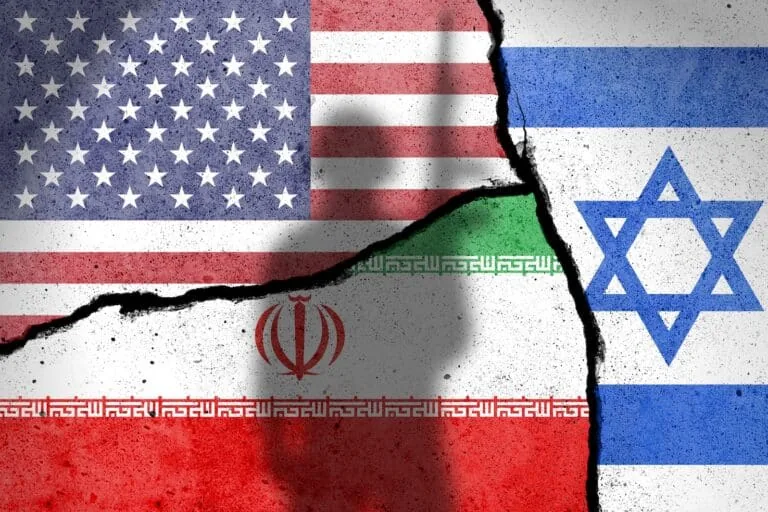
The current geopolitical standoff involving Iran, Israel, and the United States is governed by a very specific set of engagement rules. To understand when military actions are officially considered to have “ended,” one must look past the general rhetoric and focus on the technical definitions of a qualifying strike. According to the established criteria, only unintercepted aerial bombs, drones, or missiles hitting Iranian soil or diplomatic facilities count. This excludes cyberattacks, naval shelling, and intercepted projectiles, which significantly narrows the window for a confirmed event.
Read more Bitcoin above ___ on April 9?
The 72-Hour Verification Rule
Here’s the thing: the most critical factor right now isn’t just the absence of fire, but the “confirmation window.” The rules dictate that if a strike cannot be confirmed by a consensus of credible reporting within three calendar days of a specific date, that date automatically becomes the resolution point. This creates a situation where “no news is good news” for those looking for an end to hostilities. As of the second week of April, the lack of verified reports regarding US or Israeli aerial incursions into Iranian territory is the primary driver of current expectations.
Why April 9 is the Leading Scenario
Look closer at the timeline: April 9 has emerged as the most likely date for the cessation of qualifying military actions. This is largely due to the expiration of the 72-hour reporting period. If the last confirmed aerial strike occurred on April 8, and the subsequent 72 hours passed without a verified follow-up that met the strict “impact on soil” criteria, April 9 stands as the first “clean” day. Given that recent tensions have seen many projectiles intercepted or falling outside the qualifying definitions (such as surface-to-air missile engagements), the threshold for resetting the clock has not been met.
Read more Bitcoin price on April 8?
Comparing the Alternatives
Why not April 10 or a prolonged conflict through the end of the month? While April 10 remains a statistical possibility, it only becomes relevant if a late-breaking report confirms a strike that occurred specifically on April 9. As for the “Military action through April 30” scenario, this would require a sustained campaign of daily unintercepted strikes. Current regional dynamics suggest a shift toward de-escalation or, at the very least, a shift toward non-qualifying methods of engagement like cyber warfare or proxy activity, neither of which would extend the timeline under these specific rules.
Current Statistical Trends
Data shows a massive surge in confidence for the April 9 outcome, which has seen a 62.7% increase in its perceived likelihood over the last 24 hours, reaching a dominant 66.3% share. Volume for this specific date has climbed to nearly 30,000 units, dwarfing the interest in April 10 (8%) or a continuation through April 30 (11%). This concentration of activity suggests that the window for confirming any strikes on April 9 is effectively closed.
Read more Will the Iranian regime fall by May 31?
Sources :