




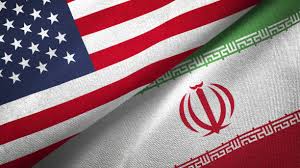
The question of whether the United States will initiate a drone, missile, or air strike on Iranian soil or its diplomatic outposts before March 31, 2026, remains a significant geopolitical consideration. While the immediate geopolitical landscape has seen periods of heightened tension, recent developments and established patterns of engagement offer a nuanced perspective on the likelihood of such an event.
Читайте также: Bitcoin Above ___ February 17?
Looking back over the past 7-14 days, several key factors warrant attention. Firstly, the ongoing broader regional instability, particularly concerning proxy activities and responses in neighboring countries, continues to be a backdrop against which any direct US-Iran confrontation would unfold. While there haven’t been direct, publicly confirmed US strikes on Iranian territory within this specific timeframe, the underlying dynamics that could precipitate such actions remain. For instance, reports of increased naval activity in the Persian Gulf and retaliatory actions against shipping by Iran-backed groups, while not directly involving US soil, contribute to a climate where escalation is a persistent possibility. The US has consistently stated its commitment to freedom of navigation and the security of its allies in the region, a stance that could be tested by further Iranian provocations or actions by its proxies.
Considering these factors, the most probable scenario, based on current observable patterns and stated US policy, leans towards a continued posture of deterrence and indirect engagement rather than a direct, overt strike on Iranian territory. The US has historically favored a strategy of sanctions, diplomatic pressure, and support for regional partners to counter Iranian influence and actions. Direct military strikes on Iranian soil, especially without a clear and immediate existential threat or a direct attack on US personnel or assets, carry significant risks of wider regional conflict and international condemnation. Therefore, the most supported candidate is that the US will *not* initiate a qualifying strike by March 31, 2026. This assessment is grounded in the established protocols of US foreign policy, which typically involve a high threshold for direct military intervention against a state actor like Iran, preferring calibrated responses that avoid full-scale escalation.
The closest competing scenarios involve specific, dated strikes. However, these are priced at very low probabilities. The market’s assessment for a strike on specific dates like March 1st, March 30th, or March 31st, 2026, all hover around 0.5-0.8%. This suggests a very low expectation for a precisely timed, singular event. The primary alternative, that the US will *not* strike, holds a significantly higher probability, reflecting a general expectation that the status quo of indirect confrontation will persist.
Читайте также: Will the US Launch the Next Strike Against Iran?
The market data, while providing a snapshot of collective sentiment, should be viewed as a secondary indicator. The overall probability for a strike occurring before March 31, 2026, is around 15%, with the “No strike” scenario holding a dominant 62% probability. Liquidity is substantial across the main “Yes” and “No” markets, indicating active participation. Recent price movements show slight fluctuations, but no dramatic shifts that would suggest a sudden change in underlying expectations based on new, publicly available information.
Even without dramatic new confirmations in the immediate past, the underlying factors shaping US-Iran relations remain consistent. These include the established US policy of countering Iranian nuclear ambitions and regional destabilization, the complex web of alliances in the Middle East, and the internal political considerations within both nations. The institutional procedures for authorizing military action, particularly against a state like Iran, involve multiple layers of review and approval, making swift, unprovoked strikes unlikely. What remains uncertain is the potential for unforeseen escalatory events, such as attacks on US forces or allies by Iranian proxies, which could alter the calculus. Key triggers that could shift the assessment would include explicit declarations of intent from either government, significant escalations in proxy conflicts, or major shifts in international diplomatic efforts concerning Iran’s nuclear program.
Читайте также: Bitcoin Price on February 16th?
Sources: