


Background
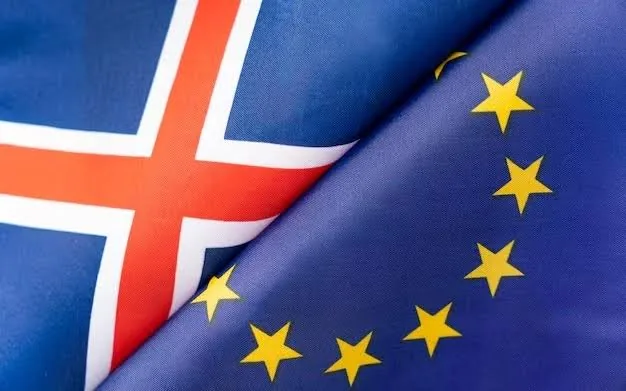
Iceland is set to hold a referendum on August 29, 2026, asking voters whether the country should restart negotiations to join the European Union. This follows a long history of Icelandic engagement with the EU, including a previous application for membership in 2009 that stalled amid domestic political shifts and public skepticism. The referendum is a direct democratic tool to gauge public support for resuming talks, reflecting ongoing debates about Iceland’s economic and geopolitical orientation.
Read more Ethereum Up or Down on August 30?
The process is straightforward: if the referendum passes, Iceland will officially restart EU membership negotiations. If it fails or is not held by the end of 2026, the status quo remains. The National Electoral Commission of Iceland will certify the results, which will determine the outcome without regard to any subsequent legal challenges or implementation issues.
Key Factors
Recent developments over the past two weeks have reinforced the challenges facing the pro-EU camp. First, a government report published in mid-June highlighted concerns about the potential economic impact of EU accession, particularly regarding fisheries management—a critical sector for Iceland’s economy. The report emphasized that EU rules could limit Iceland’s control over its fishing waters, a point that has historically fueled opposition.
Second, public opinion polls released in the last 10 days show persistent skepticism among Icelanders. A survey by MMR in late June found that only about 30% of respondents support restarting negotiations, while a majority remain opposed or undecided. This aligns with previous polling trends, suggesting limited momentum for a “Yes” vote.
Third, political dynamics remain fragmented. The ruling coalition includes parties with divergent views on EU membership, and no major party has strongly pushed for a referendum campaign in favor of joining. This lack of unified political backing reduces the likelihood of a successful “Yes” outcome. However, uncertainty remains around potential shifts in public sentiment if economic conditions worsen or if geopolitical developments in Europe intensify.
Read more Hengam Island no longer under Iranian control by…?
Market Signals
Market indicators show an extremely low probability assigned to the referendum passing, with the “Yes” outcome priced near zero and a steady decline over the past week. Trading volumes suggest active interest but overwhelmingly favor the “No” scenario. While these figures reflect collective expectations, they serve only as a secondary signal and do not replace the need to analyze underlying political and social factors.
Our Verdict
The most supported conclusion is that the Icelandic referendum on restarting EU membership negotiations will not pass. The recent government report underscores economic concerns that resonate deeply with voters, especially regarding fisheries. Polling data confirms that public support remains weak, and political fragmentation further diminishes the chances of a successful campaign for “Yes.”
Confidence in this assessment is high because these factors have consistently shaped Iceland’s EU debate for years, and no recent developments suggest a significant shift. That said, three key triggers could alter this outlook: a major political realignment favoring EU accession, a sudden economic crisis that makes EU membership more attractive, or a significant geopolitical event in Europe that changes public risk calculations.
Until such triggers emerge, the balance of evidence points clearly toward a “No” outcome in the 2026 referendum.
Read more GPU rental prices (H100) end of August?
Источники: