




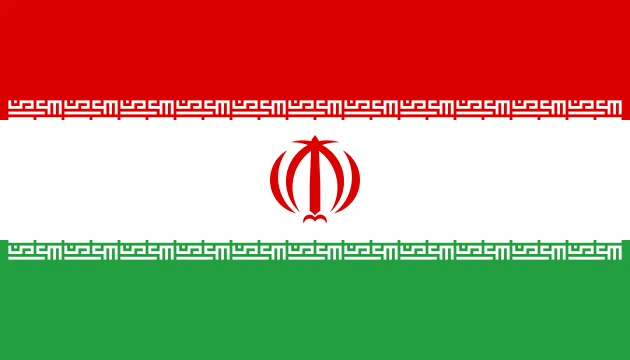
Predicting the collapse of the Islamic Republic has been a recurring theme in geopolitical circles for decades, yet the system has proven remarkably resilient. As we look toward the March 2026 deadline, the question isn’t just about protests or economic pain; it’s about whether the core pillars of the state—the Supreme Leader’s office, the Guardian Council, and the Islamic Revolutionary Guard Corps (IRGC)—can be fundamentally dismantled. For a “Yes” outcome, we would need to see a total break in continuity, not just a change in faces.
Read more Bitcoin price on February 24?
Recent Developments and Fact-Check
The last two weeks have seen a significant shift in the external pressure landscape. Here are the concrete factors currently shaping the situation:
- Maximum Pressure 2.0: Following the inauguration on January 20, 2025, the new U.S. administration has immediately moved to tighten sanctions, specifically targeting “ghost fleets” carrying Iranian oil. The stated goal is to reduce Iran’s exports to near zero, a strategy that previously crippled the Iranian Rial.
- Economic Volatility: In mid-January 2025, the Iranian Rial hit a historic low, crossing the threshold of 710,000 per U.S. dollar on the free market. This reflects deep domestic anxiety over potential escalation with Israel and the impact of renewed American sanctions.
- Military Budgeting: Despite the economic crunch, the Iranian government’s budget proposal for the upcoming Persian year (starting March 2025) includes a massive 200% increase in military spending. This indicates that the regime is prioritizing the loyalty and readiness of the IRGC and security forces over civilian economic relief.
The Path to Resolution
The criteria for this event are exceptionally high. A “Yes” resolution requires the regime to “cease to govern” or be “overthrown.” This means a simple succession from the 85-year-old Ayatollah Ali Khamenei to his son Mojtaba, or another insider, would likely result in a “No” because the core structures remain intact. The IRGC is not just a military; it is a massive economic conglomerate that owns a huge chunk of Iran’s GDP. For the regime to fall, this “state within a state” would have to either fracture internally or lose its ability to pay its rank-and-file.
Read more Bitcoin Up or Down on February 23?
What changes the picture? Look closer at three specific triggers:
- The Succession Crisis: If Khamenei passes away and the Assembly of Experts fails to reach a quick consensus, a power vacuum could lead to infighting between the IRGC and the clerical establishment.
- Hyperinflation: If the Rial collapses further and the state can no longer subsidize basic goods (bread, fuel), the scale of civil unrest could surpass the 2022 “Woman, Life, Freedom” protests, potentially overwhelming the security apparatus.
- Direct Conflict: A full-scale war that destroys the IRGC’s command and control infrastructure is one of the few scenarios that could lead to a “fundamentally different governing system” by the 2026 deadline.
Current Outlook
Based on the current stability of the security forces and the regime’s ability to maintain internal discipline through repression, a “No” outcome appears more grounded in reality. While the economic situation is dire, the “core structures” mentioned in the resolution criteria—the Guardian Council and the Supreme Leader’s office—remain firmly in control of the country’s administrative and coercive machinery. There is currently no evidence of a “provisional government” or a “revolutionary council” ready to take de facto power over the majority of the population.
The current sentiment reflects this skepticism, with the probability of a regime fall by March 2026 hovering around 8.7%. Despite a high total volume of over $5.6 million and significant daily activity, the consensus remains heavily weighted toward the status quo, with the “No” side trading at 91.3%.
Read more Bitcoin above ___ on February 25?
Источники: