




Background
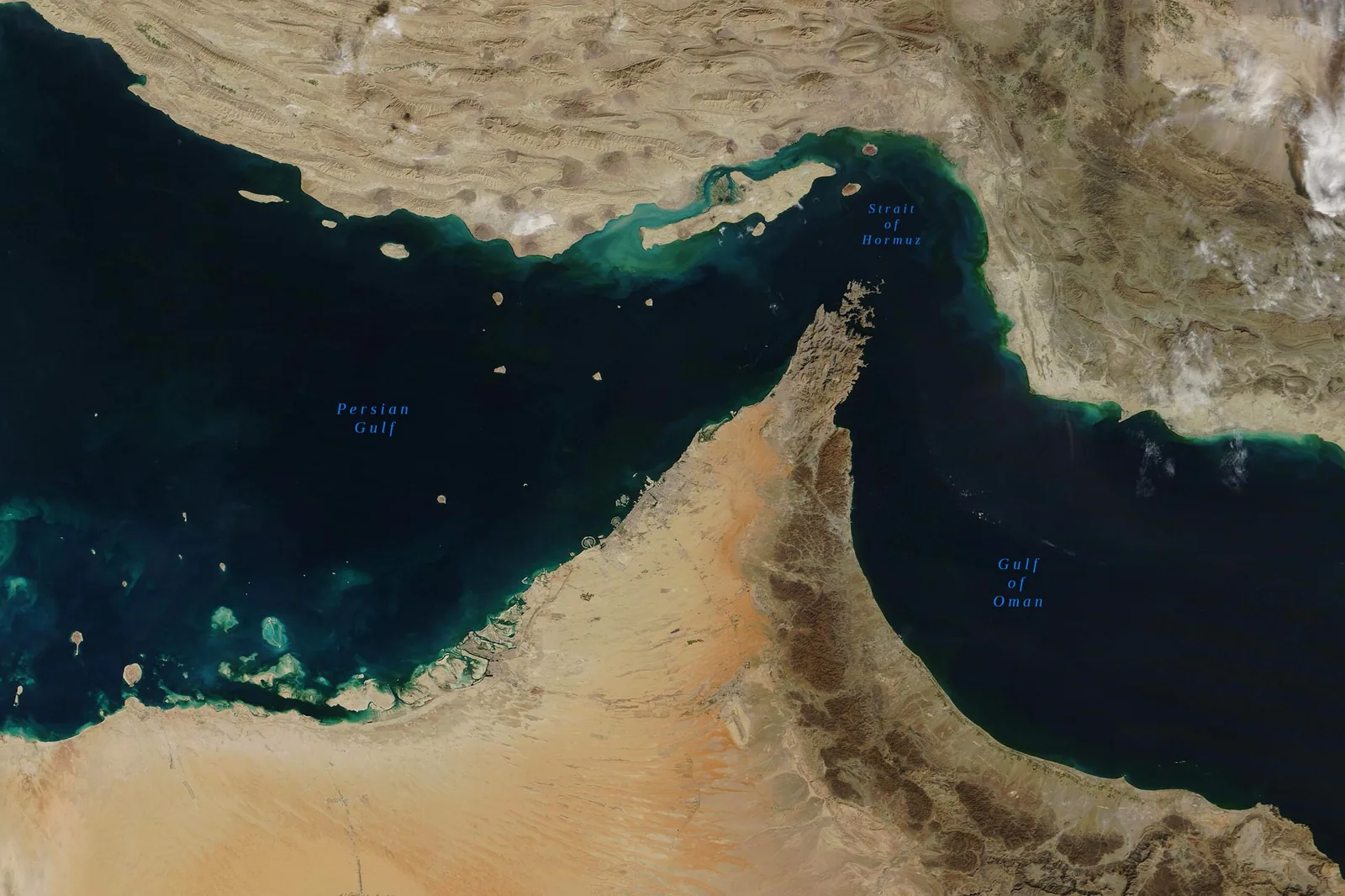
The Strait of Hormuz is a critical maritime chokepoint through which a significant portion of the world’s oil supply passes. Recent years have seen disruptions in traffic due to geopolitical tensions, particularly involving Iran and the United States. The question at hand is whether shipping traffic through the Strait will return to normal levels—defined as a 7-day moving average of at least 60 transit calls—by July 31, 2026.
Read more GPT-5.6 released by…?
This question is especially relevant now because of ongoing diplomatic efforts and fluctuating regional security conditions. The market’s resolution depends on data published by IMF Portwatch, which tracks daily ship arrivals including container, dry bulk, roll-on/roll-off, general cargo, and tanker vessels. The resolution will be triggered if the moving average reaches or exceeds 60 on any day before the deadline, or it will resolve negatively if this threshold is not met by then.
Key players influencing this situation include Iran, the United States, and regional Gulf states, whose political and military actions directly affect maritime security and commercial shipping patterns.
Key Factors
Over the past two weeks, several developments have shaped expectations about Strait of Hormuz traffic. First, official data from IMF Portwatch shows a gradual increase in transit calls, with recent 7-day averages approaching but not consistently surpassing the 60-ship threshold. This suggests a partial recovery but not yet a full return to pre-disruption levels.
Second, diplomatic signals have been mixed. While there have been no new formal ceasefire agreements or major de-escalation announcements between Iran and the U.S., reports indicate ongoing backchannel talks aimed at reducing tensions in the Gulf. For example, a statement from the Iranian Foreign Ministry in mid-June emphasized a willingness to stabilize regional maritime routes, though without concrete commitments.
Third, regional security incidents remain a wildcard. There have been sporadic reports of minor confrontations and naval exercises near the Strait, which could deter some commercial traffic. However, no major escalations have occurred recently, which supports the possibility of normalization.
Read more What price will Ethereum hit May 25-31?
What remains uncertain is the pace at which these diplomatic efforts will translate into tangible improvements in shipping activity. The threshold of 60 transit calls is a high bar, and while traffic is trending upward, it is not yet clear if this momentum will sustain through July.
Market Signals
Current market indicators assign a 59% probability to traffic returning to normal by the deadline, with a recent slight downward price adjustment over the past day but an overall upward trend over the past week. Trading volume remains robust, reflecting active interest and some confidence in normalization, though the spread between bid and ask prices suggests some lingering uncertainty.
Our Verdict
Given the available evidence, a “Yes” outcome—that Strait of Hormuz traffic will return to normal levels by July 31, 2026—is the more justified conclusion. The gradual increase in transit calls, combined with ongoing diplomatic engagement and the absence of major new conflicts, supports the likelihood of reaching the 60-ship threshold at least once before the deadline.
Confidence is medium because while trends are positive, the situation remains fragile. The region’s geopolitical volatility means that sudden incidents or breakdowns in talks could derail progress. Still, the current trajectory and official signals lean toward normalization.
Key triggers that could shift this assessment include:
- A formal ceasefire or maritime security agreement between Iran and the U.S., which would likely accelerate traffic recovery.
- Significant new security incidents or sanctions that disrupt shipping patterns.
- Updated IMF Portwatch data showing either a sustained rise above the threshold or a reversal in traffic trends.
Monitoring these developments will be crucial in refining the outlook as the July deadline approaches.
Read more Bitcoin price on May 27?
Источники: