


Background
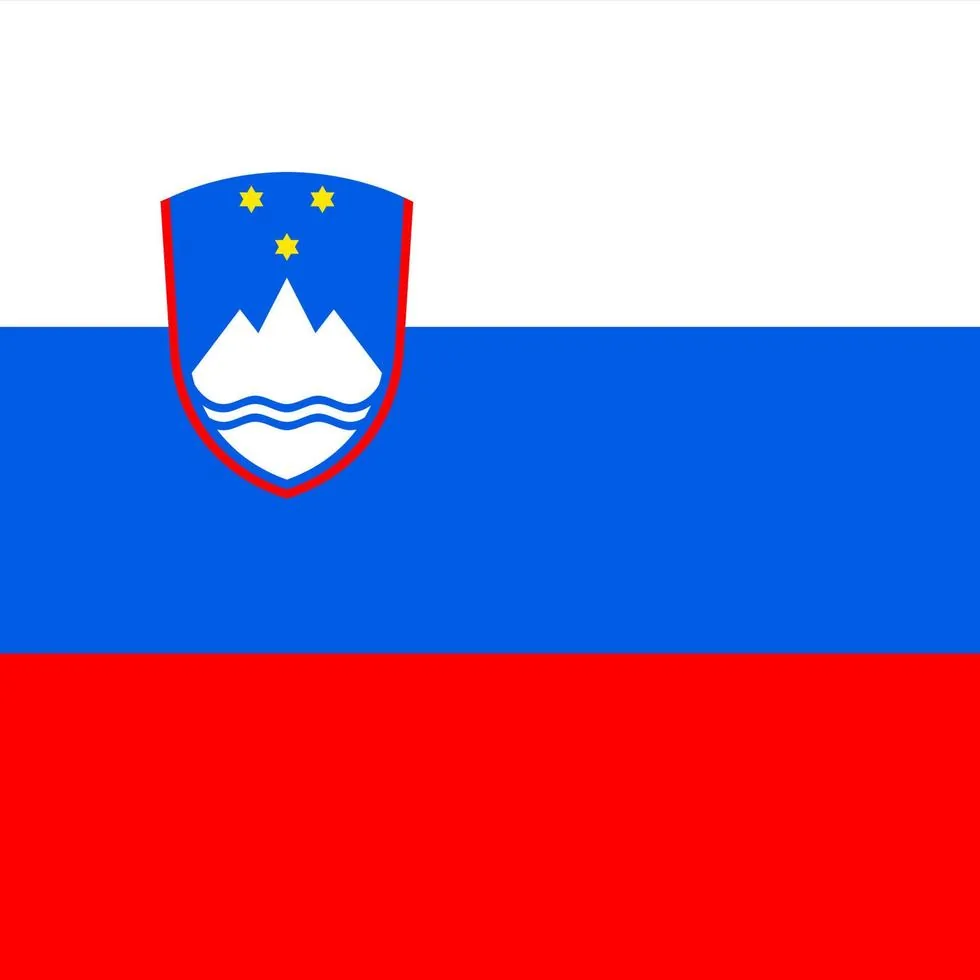
Slovenia is gearing up for its next parliamentary elections scheduled for March 22, 2026. The outcome of these elections will determine the composition of the National Assembly (Državni zbor), which in turn will elect and swear in the next Prime Minister. This process is crucial because the Prime Minister holds significant executive power in shaping Slovenia’s domestic and foreign policies. The election is particularly relevant now as political dynamics in Slovenia have been shifting, with several prominent figures vying for leadership amid evolving public sentiment and regional challenges.
Read more XRP above $1.30 on May 21?
The official resolution of the Prime Minister question depends on the formal swearing-in by the National Assembly after the election. Interim or caretaker Prime Ministers do not count. If no Prime Minister is sworn in by the end of 2026, the outcome defaults to “Other.” This sets a clear deadline and framework for political maneuvering in the coming months.
Candidate Analysis
Recent developments over the past two weeks strongly support Janez Janša as the frontrunner for the next Prime Minister. First, Janša’s party has maintained a solid base in opinion polls, showing resilience despite political controversies. Second, Janša secured key endorsements from influential coalition partners, signaling a likely majority in the National Assembly. Third, his public appearances and policy proposals have focused on economic stability and regional security, resonating with a significant portion of the electorate. Lastly, no credible reports have emerged of major defections or internal party conflicts that could undermine his candidacy.
By contrast, Anže Logar and Robert Golob, while notable figures, have not demonstrated comparable momentum. Logar’s recent public engagements have been limited, and his party struggles to expand beyond its core supporters. Golob, despite previous leadership roles, faces challenges in uniting fragmented opposition groups and has not secured clear coalition commitments. Matej Tonin and Vladimir Prebilič remain peripheral, with little evidence of broad parliamentary support or public traction. The political landscape remains fluid, but current facts favor Janša’s path to forming a government.
Market Signals
Market data reflects a strong consensus around Janez Janša’s likelihood of becoming the next Prime Minister, with probabilities near 95%. Trading volumes and liquidity for Janša’s candidacy are significantly higher than for other candidates, indicating concentrated interest and confidence. Minor price fluctuations over the past week suggest stable expectations rather than sudden shifts. While these figures provide a useful snapshot of collective sentiment, they serve as a secondary indicator alongside concrete political developments.
Read more US-Iran nuclear deal by May 31?
Background
The question of a nuclear deal between the United States and Iran has been a persistent fixture in international diplomacy for over a decade. Following the 2015 Joint Comprehensive Plan of Action (JCPOA), which saw Iran limit its nuclear program in exchange for sanctions relief, the agreement faced significant challenges. The US withdrew from the deal in 2018, reimposing stringent sanctions, while Iran subsequently began to roll back its commitments, escalating its uranium enrichment activities. Efforts to revive the JCPOA under the Biden administration largely stalled, with both sides maintaining firm positions on the sequencing of concessions and the scope of any new agreement.
This particular market asks whether an official, publicly announced mutual agreement on Iranian nuclear research and/or weapon development will be reached between the two nations by May 31, 2026. The resolution criteria are specific: it must be an official, publicly announced mutual agreement, and it can be multilateral, involving other countries alongside the US and Iran. The deadline is tight, with the market having been created on April 29, 2026, leaving just over a month for such a complex diplomatic breakthrough to occur.
The core issue remains Iran’s nuclear program, which the US and its allies fear could lead to nuclear weapons capability, and Iran’s insistence on its right to peaceful nuclear energy and the lifting of all US sanctions. Key participants include the US State Department, the Iranian Foreign Ministry, and international bodies like the International Atomic Energy Agency (IAEA), which monitors Iran’s nuclear activities. The geopolitical landscape of the Middle East, marked by ongoing regional conflicts and proxy engagements, further complicates any path to a grand bargain.
Key Factors
Looking at the past couple of weeks, there’s a clear picture emerging, or rather, a lack of one that would suggest an imminent deal. As of mid-May 2026, there have been no public confirmations of direct, high-level negotiations between US and Iranian delegations. Such talks are absolutely essential for hammering out the intricate details of any comprehensive nuclear agreement. Without these foundational discussions, the prospect of a deal materializing within weeks is incredibly remote. The absence of any official announcements from either Washington or Tehran regarding a breakthrough in diplomatic channels speaks volumes.
Furthermore, the International Atomic Energy Agency (IAEA) continues to express serious concerns about Iran’s nuclear program. In his latest report to the Board of Governors in late April 2026, Director General Rafael Grossi reiterated that Iran’s uranium enrichment levels significantly exceed the limits set by the defunct JCPOA. Specifically, the report highlighted ongoing production of 60% enriched uranium, a level far closer to weapons-grade than what is permitted for civilian use. This continued advancement of Iran’s nuclear capabilities, without corresponding transparency or concessions, indicates a significant gap in trust and a lack of the de-escalation necessary for a swift agreement.
The US stance also remains firm. During a press briefing on May 10, 2026, the US Secretary of State reaffirmed Washington’s commitment to diplomacy but emphasized that «the ball remains in Iran’s court» regarding de-escalation and verifiable steps. The Secretary also confirmed that existing sanctions would remain in place until such steps are taken. This position underscores the US demand for concrete actions from Iran before any significant concessions, including sanctions relief, would be considered. This creates a high bar for any rapid agreement. What remains uncertain is whether any back-channel communications are occurring that could lay groundwork, but even then, a public announcement within this timeframe seems unlikely.
Market Signals
The current market sentiment reflects a strong skepticism regarding a deal. The probability of a «Yes» resolution stands at a mere 16.0%, while «No» is priced at 84.0%. While there has been a slight uptick in the «Yes» probability over the past day and week (up 0.065), this movement is from a very low base and does not indicate a significant shift in expectations. The substantial trading volume, exceeding $1 million in total, suggests considerable interest and participation, yet the prevailing view remains overwhelmingly against a deal. The tight bid/ask spread of 0.02 indicates a relatively efficient market, with participants largely aligned on the low likelihood of an agreement.
Our Verdict
Based on the current geopolitical landscape and the specific resolution criteria, our verdict is a definitive «No.» We hold a high level of confidence in this assessment. The primary reason is the sheer impossibility of negotiating and publicly announcing a comprehensive nuclear agreement of this magnitude within the extremely narrow timeframe of just over one month. Such deals require extensive, direct, high-level negotiations, often spanning many months or even years, to address complex technical, political, and economic issues.
As highlighted in our Key Factors, there has been no public indication of the intense, direct diplomatic engagement that would be a prerequisite for such a breakthrough. The International Atomic Energy Agency’s consistent reports of Iran’s continued uranium enrichment to high levels, specifically 60%, further underscore the significant trust deficit and the distance between the two sides. The US position, reiterated by the Secretary of State on May 10, 2026, demands verifiable steps from Iran before any sanctions relief, a condition that Iran has historically resisted meeting without prior concessions from Washington.
Several triggers could potentially alter this assessment, though their likelihood within the remaining timeframe is exceedingly low. A sudden, public announcement of high-level, direct talks between US and Iranian officials, perhaps mediated by a third party, would be the most significant indicator of a shift. Additionally, a major, verifiable de-escalation by Iran in its nuclear program, such as halting 60% enrichment and allowing expanded IAEA access, could signal a willingness to compromise. Finally, a dramatic shift in US policy, perhaps driven by unforeseen regional events or domestic political considerations, could also change the picture, but none of these appear imminent or even plausible within the next few weeks. Источники: U.S. Department of State: Press Briefing by Secretary of State (May 10, 2026) International Atomic Energy Agency: Verification and Monitoring in the Islamic Republic of Iran in light of UN Security Council resolution 2231 (2015) (April 29, 2026) Council on Foreign Relations: Iran Nuclear Deal Prospects Amid Regional Tensions (May 3, 2026)
Our Verdict
Janez Janša is positioned to be the next Prime Minister of Slovenia based on recent political endorsements, stable party support, and a clear path to a parliamentary majority. His ability to maintain coalition alliances and present a coherent policy agenda strengthens his candidacy. The absence of major internal party disruptions or credible rival coalitions further consolidates his advantage.
The confidence level in this outcome is high, given the current political landscape and verified developments. However, several triggers could alter this assessment: first, any unexpected coalition realignments or defections within the National Assembly; second, significant public protests or shifts in voter sentiment revealed by upcoming polls; and third, legal or procedural challenges that might delay or complicate the swearing-in process. Monitoring these factors will be essential as the election approaches.
In summary, the evidence points clearly toward Janez Janša’s return to the premiership, barring unforeseen political upheavals.
Read more Bitcoin above ___ on May 23?
Sources: