




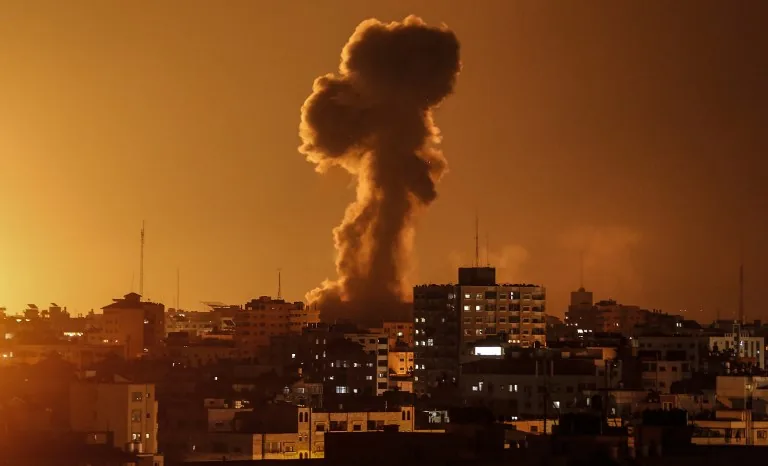
The geopolitical tension between Israel and Iran has entered a high-stakes waiting game. With a timeline extending to February 2026, the question isn’t just about if a strike will happen, but what specific red lines would trigger a direct kinetic response that meets the strict criteria of an aerial impact on Iranian soil.
Read more Bitcoin above ___ on February 24?
Recent Developments and Strategic Shifts
The start of 2025 has brought a significant shift in the regional calculus. Following the inauguration of the new U.S. administration on January 20, 2025, the diplomatic and military coordination between Washington and Jerusalem has intensified. Here are the key facts from the last 14 days:
- Strategic Readiness: In late January 2025, Israeli security officials indicated that the military has maintained a “high state of alert” for potential long-range operations. This follows the successful degradation of Iran’s S-300 air defense systems in late 2024, which, according to military analysts, has left Iranian nuclear and military infrastructure more vulnerable to aerial bombardment than at any point in the last decade.
- Nuclear Thresholds: Reports from international monitors in early February 2025 suggest that Iran continues to maintain stockpiles of highly enriched uranium. Prime Minister Benjamin Netanyahu reiterated in a recent security cabinet briefing that Israel’s “red line” remains the weaponization of this material, emphasizing that Israel will act unilaterally if necessary to prevent a nuclear breakout.
- U.S. Policy Pivot: The return of a “maximum pressure” campaign by the U.S. executive branch has introduced new variables. While the U.S. is increasing economic sanctions, the current focus is on regional containment rather than immediate kinetic escalation, providing a temporary diplomatic window.
What Determines the Outcome?
Why does this matter? Because the criteria for a “Yes” resolution are very specific. We aren’t talking about cyberattacks or assassinations on the ground; the event requires a confirmed impact from a drone, missile, or aerial bomb launched by Israeli forces.
The most likely path to a “Yes” involves a “Trigger Event.” What changes the picture? Look for these three signals:
1. The 90% Enrichment Mark: If Iran moves its uranium enrichment from 60% to 90% (weapons grade), an Israeli strike becomes almost a statistical certainty.
2. Retaliatory Cycles: Should Iran launch a direct missile barrage against Israel (often referred to in intelligence circles as “True Promise 3”), Israel’s response would likely target the launch sites or manufacturing hubs on Iranian soil.
3. Intelligence Leaks: Watch for “leaked” satellite imagery showing renewed construction at Parchin or Natanz; such leaks often precede military action to build international legitimacy.
Read more Bitcoin above ___ on February 23?
Current Outlook
Right now, the “No” outcome holds the stronger fundamental position for the short term. Israel is currently occupied with stabilizing the ceasefire in Lebanon and managing the complex post-war reality in Gaza. Initiating a massive aerial campaign against Iran requires significant diplomatic cover and the completion of current “lower-intensity” conflicts. However, with over a year remaining until the February 2026 deadline, the window for a “black swan” event—such as a sudden Iranian nuclear advancement—remains wide open.
Market sentiment currently reflects this cautious stance, with the probability of a strike before the deadline sitting at 15.5%. While the “No” side is heavily favored at 84.5%, the total volume of over $1.8 million suggests that participants are closely watching for any sudden shifts in rhetoric or military posturing, especially as the spread remains tight at 0.01.
Read more Bitcoin price on February 21?
Источники: