


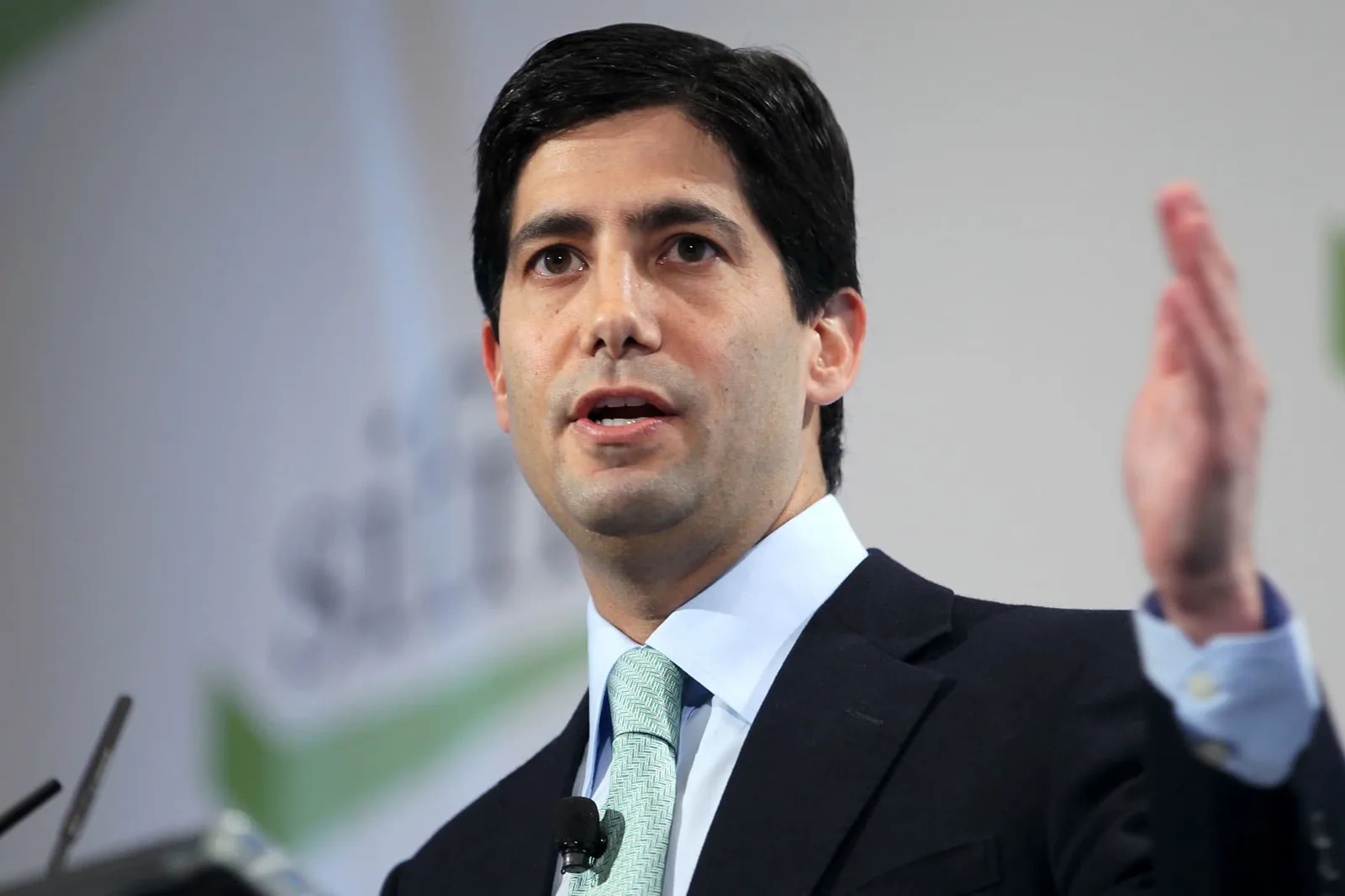
The transition of leadership at the Federal Reserve is moving into a critical phase as the expiration of Jerome Powell’s term as Chair on May 15, 2026, draws closer. For the current administration, the choice of Kevin Warsh represents a pivot toward a different monetary philosophy, but the timing of the formal nomination is dictated as much by Senate procedure as by political preference. A formal nomination is not merely a public announcement; it requires the official submission of a nomination message to the U.S. Senate, a step that triggers the constitutional “advice and consent” process.
Читайте также: Ethereum price on February 19?
Key Factors and Institutional Context
- The Powell Deadline: Jerome Powell’s four-year term as Chair officially concludes in mid-May 2026. Historically, the White House submits a formal nomination for the next Chair at least three to four months in advance to prevent a leadership vacuum and maintain market stability.
- Procedural Requirements: According to the U.S. Senate Nominations records, the process only begins once a formal message is received. This involves significant vetting and paperwork that must be completed before the Senate Banking Committee schedules a hearing.
- Candidate Standing: Kevin Warsh has remained a primary figure in economic policy discussions since the administration took office. His previous experience as a Federal Reserve Governor from 2006 to 2011 provides a track record that the Senate Banking Committee will scrutinize during the confirmation process.
The Case for the March 31 Deadline
The most grounded expectation for a formal nomination falls within the window ending March 31, 2026. Why does this date make the most sense? It aligns with the standard institutional lead time required for a smooth transition. By submitting the nomination by late March, the administration allows the Senate approximately six to eight weeks to conduct hearings and a floor vote before Powell’s term expires in May. This timeline avoids the appearance of a “lame duck” period while providing enough cushion for the inevitable political friction that accompanies high-level financial appointments. Here’s the thing: while the administration may have settled on Warsh internally, the formal “paperwork” phase often waits until the legislative calendar is clear of early-year budget priorities.
Comparison with Earlier Deadlines
Earlier dates, such as February 18 or February 28, face significant logistical hurdles. While a February announcement is possible, the “formal nomination” (the actual delivery of the message to the Senate) often lags behind the initial press release by several days or weeks. If the administration encounters any delays in the final vetting of the dual role—nominating Warsh both as a Member of the Board of Governors and as Chair—the process easily slides into March. The February windows are tight, leaving almost no room for the administrative delays that typically characterize a transition year.
Читайте также: Bitcoin price on February 19?
Triggers to Watch
What changes the picture in the coming weeks? Look closer at these specific signals:
- Senate Banking Committee Schedule: Any preliminary meetings between Warsh and Committee leadership are a precursor to the formal filing.
- White House Personnel Announcements: A “Notice of Intent to Nominate” usually precedes the formal Senate message by 24–72 hours.
- Federal Reserve Board Vacancies: Since the nomination must specifically name Warsh as Chair (and potentially as a Governor if a seat is open), any movement regarding the current Board composition will act as a catalyst.
Current data shows a strong lean toward the March 31 timeline, which carries a 84.5% probability with a total volume of over $26,000. In contrast, the February 28 window is viewed as a more speculative outcome at 30.45%, while the mid-February date has seen its probability collapse to near zero as the calendar progresses without a formal Senate filing.
Читайте также: Bitcoin Up or Down — February 18, 3PM ET
Sources :